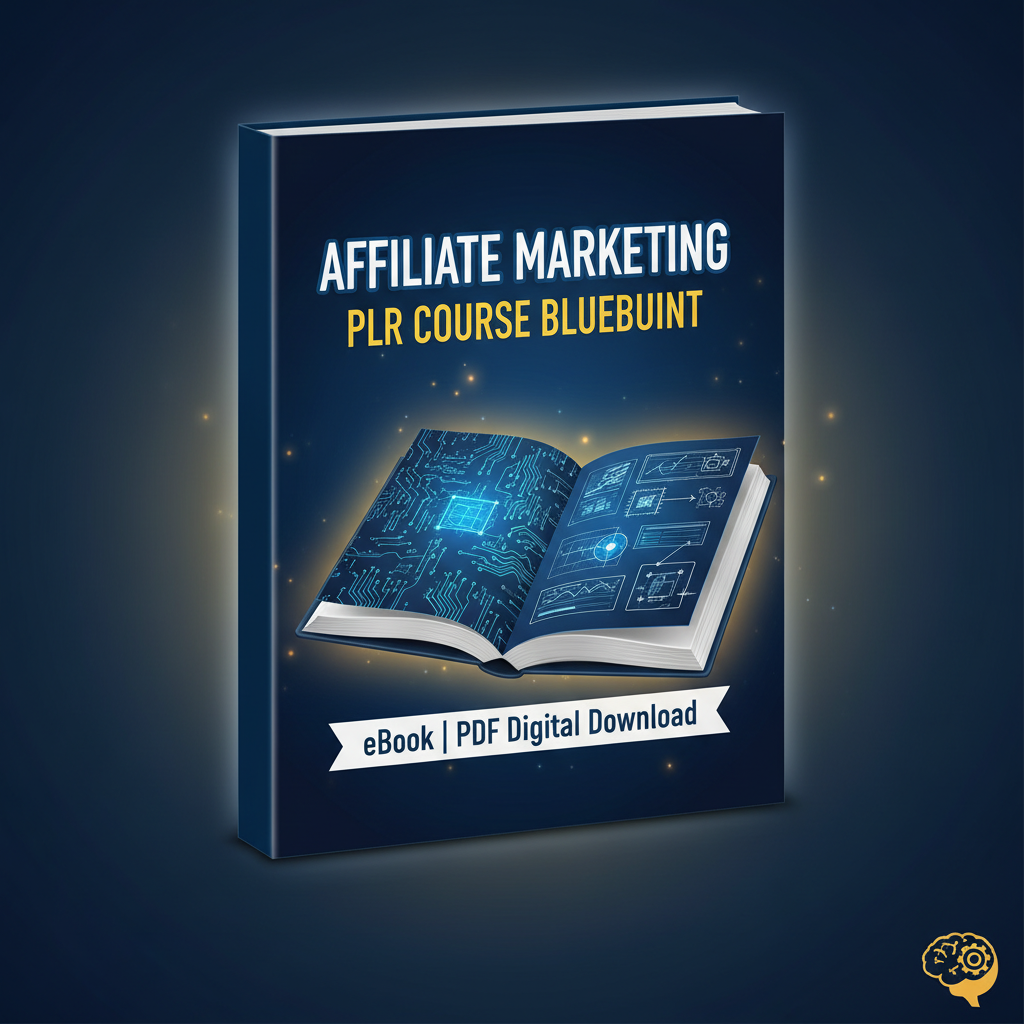
Creating a paid digital product from scratch can take far longer than most creators expect. You need a topic, outline, lessons, supporting assets, sales copy, and a delivery plan before you ever make the first sale. That is why many PLR resellers and digital product sellers use rebrandable training assets as a starting point. Instead of beginning with a blank page, you begin with a foundation you can customize.
An Amazon-focused PLR course is especially useful because it can be positioned in several different ways. Depending on your audience, you may frame it around FBA, affiliate marketing, self-publishing, general Amazon business education, or traffic strategies. That flexibility makes it easier to create a low-ticket offer that feels relevant and specific without having to build a complete curriculum yourself.
If your goal is to launch faster, test a niche, or expand your storefront with a practical business topic, this guide walks through how to rebrand that kind of PLR course into a marketable entry-level product.
Why Amazon-Focused PLR Can Shorten Time to Launch
Amazon is a broad business topic, which is one reason it works well for low-ticket education products. It can attract sellers, affiliate marketers, self-publishers, and online business beginners. A rebrandable course built around that topic gives you a starting structure instead of forcing you to create every lesson, concept, and resource from zero.
For product creators, the biggest advantage is speed. You can spend your effort on positioning, editing, packaging, and customer experience rather than spending weeks outlining a curriculum. That makes this format helpful when you want to:
- Test an Amazon-related niche without creating a full flagship program
- Add a new low-ticket offer to a storefront or funnel
- Create a bonus resource for a larger product stack
- Build a lead-generation asset that can later be expanded
- Offer client or audience education under your own branding
The key is not to treat PLR as something you upload untouched. The real value comes from reframing it for a clear audience and outcome.
Who This Type of Course Is Best Suited For
An Amazon marketing PLR course is usually best for creators who already understand how to package and position digital products. You do not need a massive audience, but you do need a basic plan for who the offer is for and where it will live.
This type of product is a strong fit for:
- PLR resellers building a niche catalog
- Digital product creators adding a business training offer
- Online business owners who want a low-ticket front-end product
- Coaches who need a structured educational resource for clients
- Content marketers testing Amazon, eCommerce, or online income topics
It is less about being an Amazon expert and more about being able to package educational content responsibly. You should still review the material, refine it, and make sure your final offer accurately reflects what is included.
Step 1: Choose Your Audience Angle
The fastest way to make a PLR course feel more original is to narrow its audience. Amazon is too broad if you leave it undefined. A low-ticket offer performs better when buyers immediately understand whether it is meant for them.
Common audience angles include:
- FBA beginners: Focus on people exploring Amazon selling and fulfillment workflows.
- Affiliate marketers: Position the product around promoting Amazon products through content and traffic.
- Self-publishers: Frame it for those interested in Amazon publishing opportunities.
- General Amazon business beginners: Offer a wider introduction for people deciding which path fits them.
Pick one primary angle, even if the underlying content touches several areas. A narrow positioning statement helps with naming, sales copy, design, and messaging. For example, “Amazon marketing” is generic, but “a beginner-friendly Amazon opportunity mini-course for digital entrepreneurs” is easier to market.
When choosing your angle, ask:
- Which segment is closest to my existing audience?
- Which promise can I explain clearly in one sentence?
- Which part of the content can I make feel most actionable?
- Does this fit my storefront brand and other offers?
Step 2: Rename and Reframe the Course for a Clearer Promise
Most PLR products need a stronger promise before they are ready to sell. Rebranding is not just changing the title. It is defining what transformation, outcome, or decision the buyer will get from the course.
A better low-ticket offer usually has three parts:
- A clear audience
- A specific benefit
- A practical scope
For example, instead of using a broad internal product name, you might reframe the offer as:
- Amazon Income Paths for Beginners
- Your First Amazon Business Model Mini-Course
- Amazon Opportunity Starter Training for Digital Entrepreneurs
The exact title should match the material honestly. Do not promise mastery, guaranteed income, or advanced implementation if the content is introductory. A low-ticket product does not have to solve everything. It only needs to help the buyer understand a topic, take the first step, or avoid common confusion.
Your reframing should also show up in the subtitle or product description. Instead of presenting the course as “everything about Amazon marketing,” position it as a practical introduction to the key models and strategies covered inside.
Step 3: Edit the Content for Brand Voice and Audience Experience
This is the step many sellers rush, but it is where the offer starts to become yours. Even if the foundation is solid, you should review the content line by line before publishing it under your brand.
Focus your edits on three areas:
1. Voice and tone
Adjust the language to match your brand. If your storefront is beginner-friendly, simplify jargon and make the tone more approachable. If your brand is more professional and strategy-focused, tighten the wording and improve structure.
2. Relevance
Remove sections that do not support your chosen angle. If you are targeting affiliate marketers, you may want less emphasis on unrelated paths and more context around traffic and content strategy. If you are targeting self-publishers, trim distractions and highlight what matters most for that audience.
3. Flow
Organize the material so it feels intentionally designed. Add short introductions, transitions, summaries, or action points where needed. Buyers do not judge a low-ticket offer only by how much content it has. They also judge how easy it is to follow.
Useful edits may include:
- Renaming lesson sections for clarity
- Adding a brief “start here” page
- Creating a glossary for beginners
- Writing short action prompts after each section
- Replacing generic examples with audience-relevant ones when appropriate
Be careful not to claim lesson depth, media formats, or module details you have not verified. If the source material is limited, your positioning should stay accurate and restrained.
Step 4: Turn the Course Into a Low-Ticket Product, Bonus, or Lead Magnet
Once the content has been reframed, decide how it fits into your business model. A rebrandable Amazon course can support more than one role, but the packaging should reflect the offer type.
Low-ticket product
This is the most direct route. Position the course as a quick-start educational product for buyers who want a practical introduction without investing in a large training program. Keep the promise focused and the delivery simple.
Bonus offer
You can also bundle it with another digital product related to eCommerce, traffic, content marketing, or business planning. In this case, the course acts as a value-add that strengthens the main product.
Lead magnet or tripwire foundation
If the course includes more content than you want to give away, extract a smaller portion into a starter guide, workshop, or email-based mini-training. Then use the full rebranded course as the next paid step.
The best format depends on your audience maturity. Beginners tend to respond well to quick-start offers. More experienced buyers may prefer a bundle or workshop positioned around a specific use case.
Step 5: Build Simple Supporting Assets
You do not need to create a giant bonus stack to make a PLR course feel complete. A few well-matched assets can improve usability and increase perceived value.
Start with practical additions such as:
- A course welcome message or onboarding email
- A one-page roadmap showing the learning path
- A checklist based on the course sections
- A worksheet for choosing an Amazon business model
- A short action planner for implementation steps
These assets work because they help buyers use the material, not just consume it. They also help distinguish your version from an unedited PLR upload.
Keep the support materials aligned with your promise. If your product is meant to help people compare Amazon paths, include a decision worksheet. If it is meant to help them take the first step, create a starter action checklist. Relevance matters more than volume.
Step 6: Position the Offer Inside a Storefront or Funnel
A rebranded course becomes more effective when it fits naturally into a buyer journey. Think about what the customer sees before, during, and after the offer.
In a storefront, this product can sit alongside related business, eCommerce, or marketing resources. In a funnel, it may act as:
- An entry-level tripwire after a freebie
- A low-ticket self-liquidating offer
- A bridge to coaching, consulting, or a larger course
- A bonus inside a themed bundle
Your product page should answer a few core questions clearly:
- Who is this for?
- What will they learn or clarify?
- Why is this a useful starting point?
- What kind of next step does it prepare them for?
Do not overcomplicate the funnel. One low-ticket offer with a clean audience fit is often more useful than a large catalog of loosely positioned products.
If you want a ready-made foundation to start from, the Amazon Marketing PLR Mastery Course is designed as a rebrandable Amazon-focused training asset that can be adapted for low-ticket offers, bundles, or lead-generation use cases.
Common Mistakes When Rebranding PLR Training Content
Even good PLR can underperform if the repackaging is rushed. Avoid these common mistakes:
Keeping the positioning too broad
When you try to sell to everyone interested in Amazon, the message becomes vague. A tighter angle usually creates a stronger offer.
Publishing without editing
Untouched PLR often sounds generic. At minimum, revise the title, tone, structure, and supporting copy so the product feels intentional.
Making claims you cannot support
If the source information does not confirm exact modules, file formats, or outcomes, do not invent them in your sales copy.
Adding random bonuses
Bonuses should reinforce the buyer’s goal. More files do not automatically create a better customer experience.
Skipping the customer journey
A course without a clear place in your storefront or funnel can feel disconnected. Decide what the offer leads to next.
Final Takeaway
Rebranding an Amazon marketing PLR course into a low-ticket offer is less about flashy design and more about strategic packaging. Choose a specific audience angle, define a clear promise, edit the content to fit your brand, and add a few practical support assets that improve usability. Then place the finished product inside a simple storefront or funnel where it makes sense.
This approach helps you move faster without sacrificing relevance. Instead of spending weeks building a curriculum from scratch, you can start with a niche-ready foundation and shape it into an offer that fits your business model.
If you want to build from an editable Amazon-focused course asset, explore the Amazon Marketing PLR Mastery Course here and use it as the starting point for your next low-ticket digital product.

Discussion
Comments